
How to Check Criminal History in Blanco County
Start by defining the fact you need. The Blanco County Clerk maintains misdemeanor matters in the constitutional County Court, while the District Clerk preserves felony filings in District Court. A recent booking or sheriff report belongs at the Blanco County Sheriff's Office and Jail. The Texas Department of Public Safety, or TxDPS, compiles reportable events from across Texas, but its public product does not replace either local court file. This split matters because an arresting charge can change after a prosecutor reviews the case.
Gather a full name, date of birth when available, spelling variants, an approximate date, and any case, incident, citation, or booking number. Then follow the record rather than relying on a name match alone.
- Search the county-linked court channel for a misdemeanor and contact the District Clerk for a felony file.
- Ask the sheriff or arresting city agency about a recent arrest, booking, warrant, or incident report.
- Compare the name, birth date, case number, charge, and court before treating a result as a match.
- Read the clerk's docket and signed disposition to learn how the charge ended.
- Use TxDPS or a fingerprint-based personal review when statewide history or identity certainty is needed.
The official Blanco County homepage shows the historic courthouse and posts the current relocation notice.
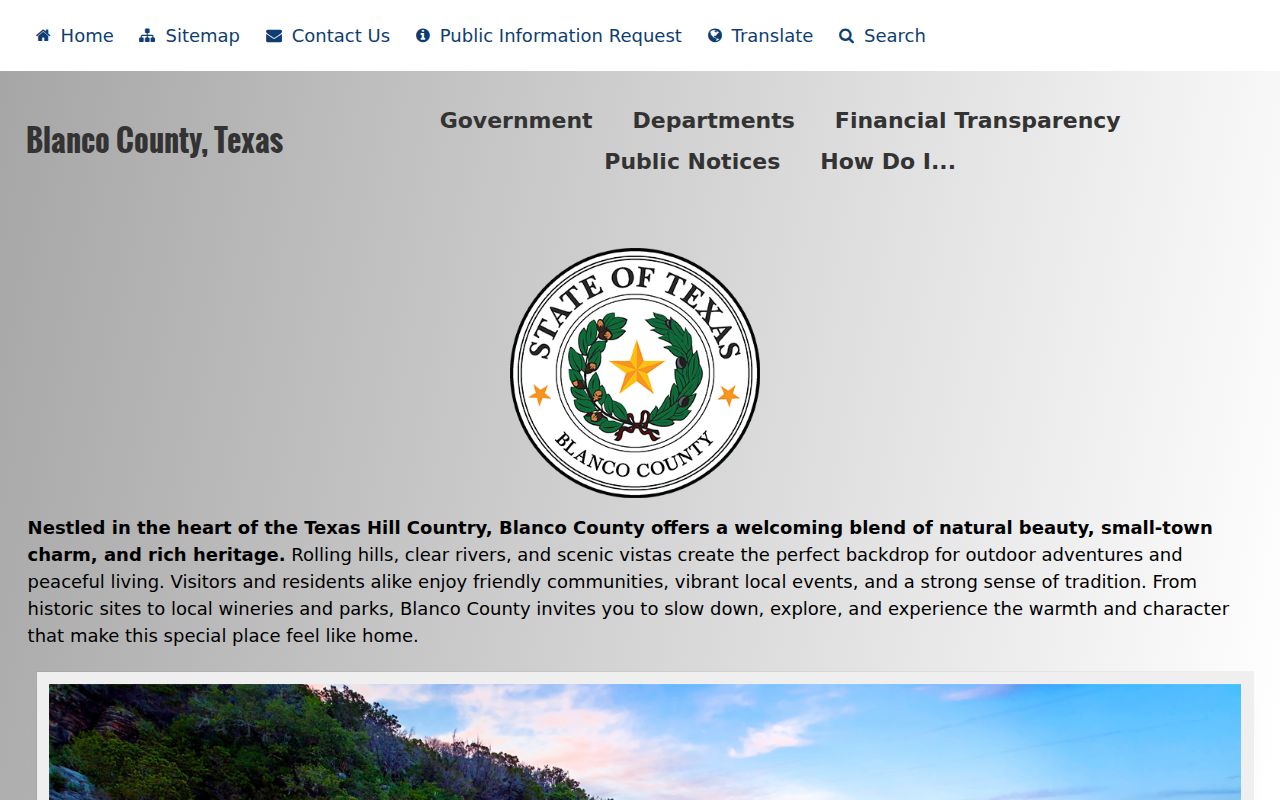
The notice helps record seekers avoid the closed courthouse and identify the temporary Johnson City counters before travel.
Blanco County Criminal Court Custodians
Blanco County criminal records divide first by court level. The County Clerk supports the constitutional County Court and its misdemeanor docket. The District Clerk receives and preserves felony pleadings, indexes cases, records court action, collects court costs, and maintains the permanent file through later proceedings. Justice courts and the municipal courts in Blanco and Johnson City can hold fine-only matters. Searching one desk may therefore miss a case at another level.
The District Clerk's published duties also explain why that office is the right source for a certified felony disposition. A police narrative describes the reported event. The clerk's file shows what prosecutors filed and what the judge entered. The official District Clerk description illustrates those felony-record duties.
That division of custody is the core reason a complete Blanco County search often requires more than one office.
County and District Clerks
101 E. Cypress Street
Johnson City, TX 78636
County Clerk: 830-868-7357
Monday-Friday, 8:00 a.m.-4:30 p.m.
Sheriff and County Jail
400 US Highway 281 North
Johnson City, TX 78636
830-868-7104
Confirm records-counter hours by phone.
Official Texas Background Checks
The TxDPS Crime Records Division operates the statewide Computerized Criminal History system. Its public Criminal History Conviction Name Search releases eligible Texas conviction and deferred-adjudication information. It is name based, so common names, aliases, data-entry issues, and missing reports can affect a return. Court records remain with the court, and a public TxDPS result is not the same as the full Blanco County criminal case file.
For self-review, the more reliable route uses fingerprints through the Texas Review of Personal Criminal History procedure. Fingerprint Applicant Services of Texas, operated through IDEMIA/IdentoGO, captures prints after the applicant follows the correct DPS instructions and enrollment route. The TxDPS Crime Records Service overview identifies the state's repository functions.
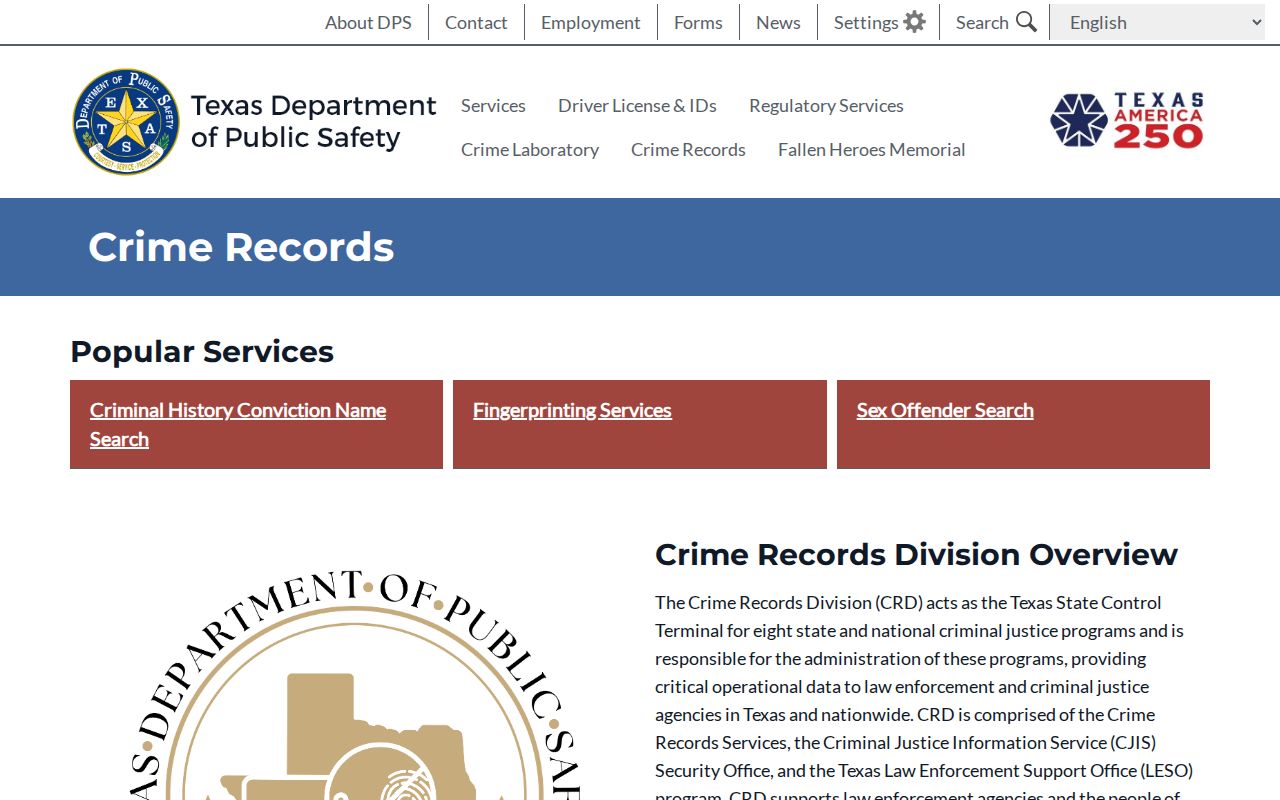
The state overview makes clear why a repository return and an originating Blanco County file answer different questions.
The IdentoGO enrollment interface is the appointment channel used for authorized Texas fingerprint services.
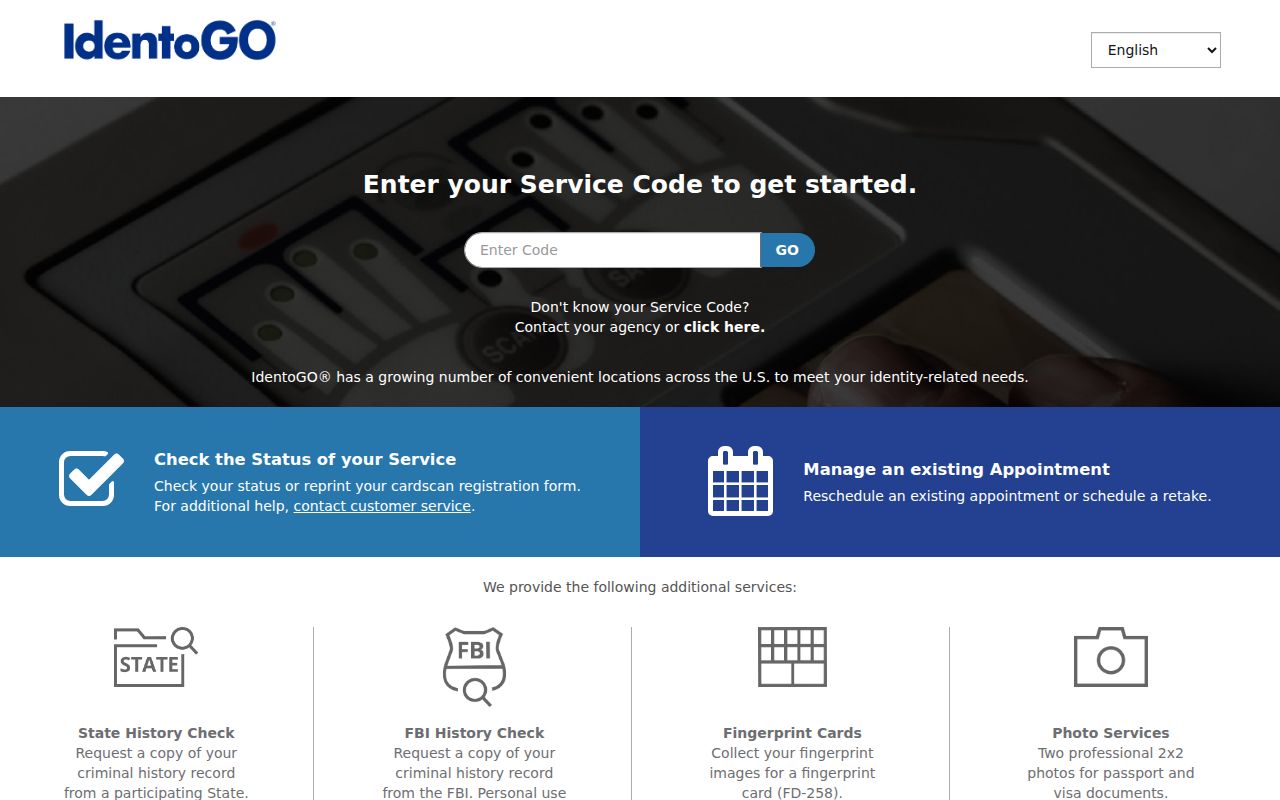
Applicants should obtain the correct service instructions first because an agency-purpose submission does not automatically provide a personal copy.
Blanco County Record Search Routes
The county-linked Texas Online Records system is the first web route for constitutional County Court matters. Select the Blanco jurisdiction and criminal case category where the live interface permits. Coverage and visible documents can vary. The statewide re:SearchTX service offers another court-access layer, but account status, participating courts, and document access also vary. Neither tool should be read as proof that no record exists when a name search returns nothing.
| Channel | Best use | Key limit |
|---|---|---|
| Texas Online Records | Blanco County-linked misdemeanor case search | Documents and older coverage may be incomplete |
| District Clerk request | Felony name search and copies | Signed mail form and fee apply |
| re:SearchTX | Broader Texas court access | Coverage and account access vary |
| Sheriff inquiry | Recent custody, booking, report, and warrant routing | No official online county roster was confirmed |
| Written public request | Agency records not supplied through a database | Exceptions, redactions, and cost rules may apply |
The official re:SearchTX interface shows the statewide court-access option available alongside local clerk channels.
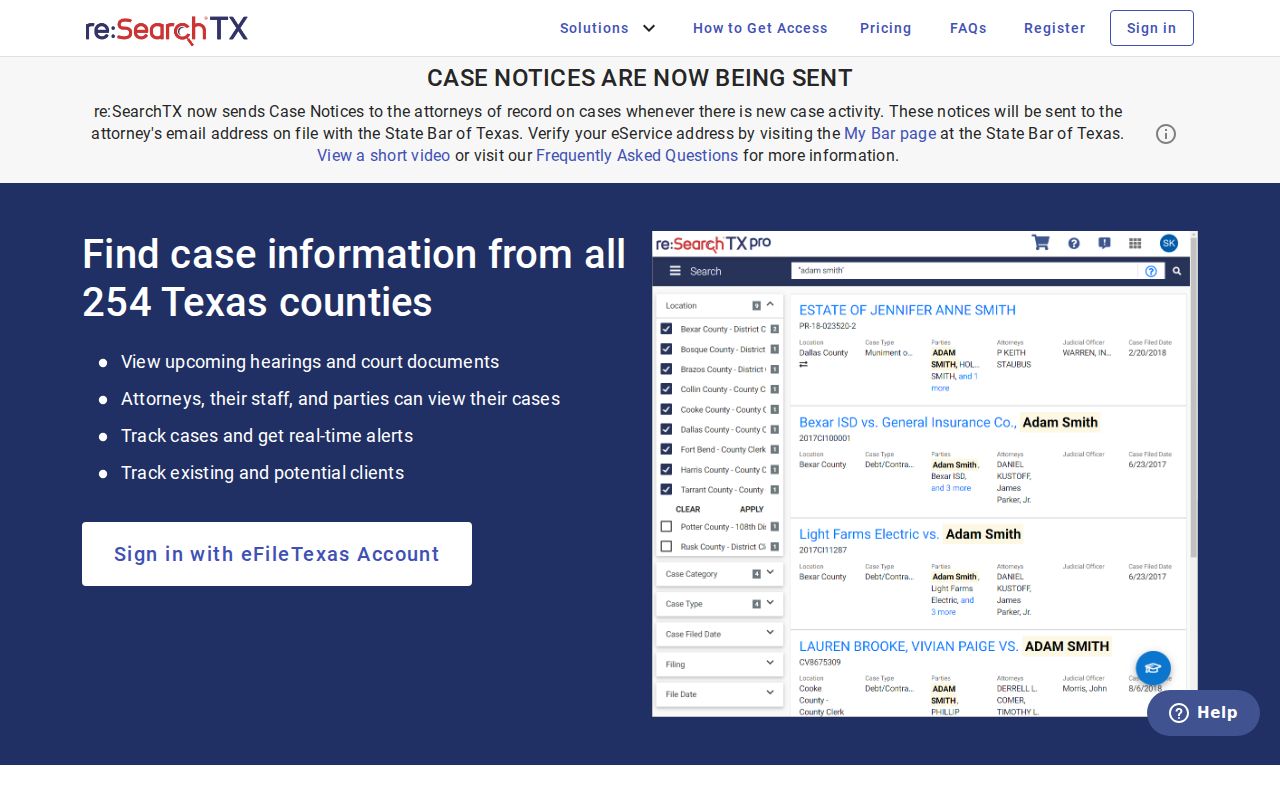
Its statewide reach is useful, yet the local clerk remains the authority for a Blanco County certified copy or missing file.
Types of Criminal Records
A Blanco County criminal history is assembled from records created at different points. Police and deputies create incident and arrest reports. Jail staff create booking and release data. Prosecutors decide what charge to file. Clerks preserve complaints, indictments, motions, orders, dispositions, and sentences. TxDPS compiles reportable fingerprints, prosecutions, and outcomes sent by those agencies. The Texas Department of Criminal Justice, or TDCJ, then maintains prison and parole data for people who enter state custody or supervision.
- Arrest and booking records: agency and jail records tied to an arrest, custody, charge, bond, and release.
- Court case files: filed charges, docket events, pleas, orders, disposition, sentence, and costs.
- State criminal history: reportable Texas events received by the TxDPS repository.
- Warrant records: court-issued process checked through the issuing court and sheriff for current status.
- Custody and supervision: county jail, TDCJ prison, community supervision, and parole records.
For the full path from a local booking to a filed court result, compare the dedicated Blanco County arrest history with the clerk's case record.
Blanco County Custody Record Layers
The Blanco County Sheriff's Office and Jail handles county booking and current-custody questions. Research found no official online county booking roster, so the practical chain is a telephone or lobby inquiry, a focused written request for booking material, and contact with the arresting agency for its separate incident report. The non-emergency line can route a current question, but only a written request starts Texas Public Information Act handling.
State and federal custody use different tools. TDCJ Online Inmate Search covers people in TDCJ custody, not someone held only in the Blanco County jail. The Federal Bureau of Prisons locator covers federal custody and release information. A federal Blanco County matter may also appear in PACER through the U.S. District Court for the Western District of Texas.
The TDCJ Online Inmate Search displays the official state-custody query form.
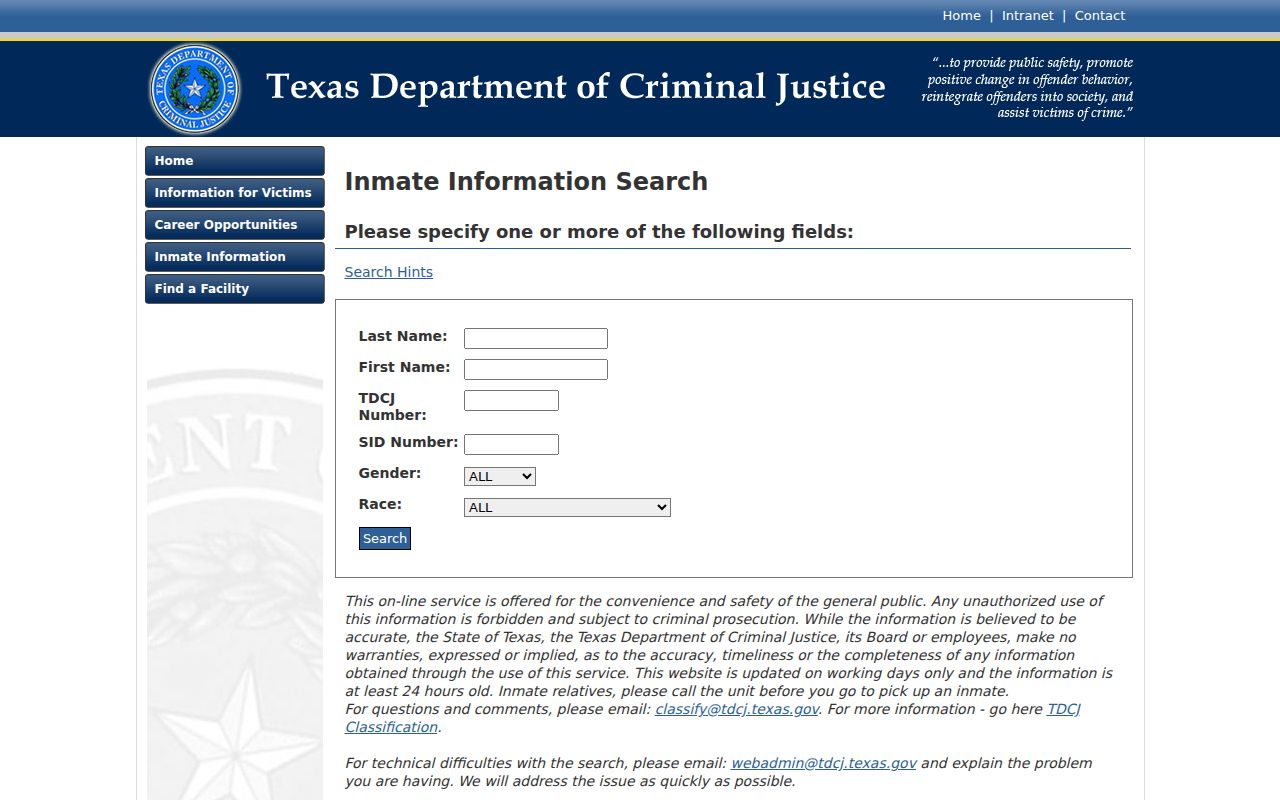
This state locator should be used only after distinguishing TDCJ custody from a current Blanco County booking.
The Federal Bureau of Prisons Inmate Locator supplies the matching federal-custody route.
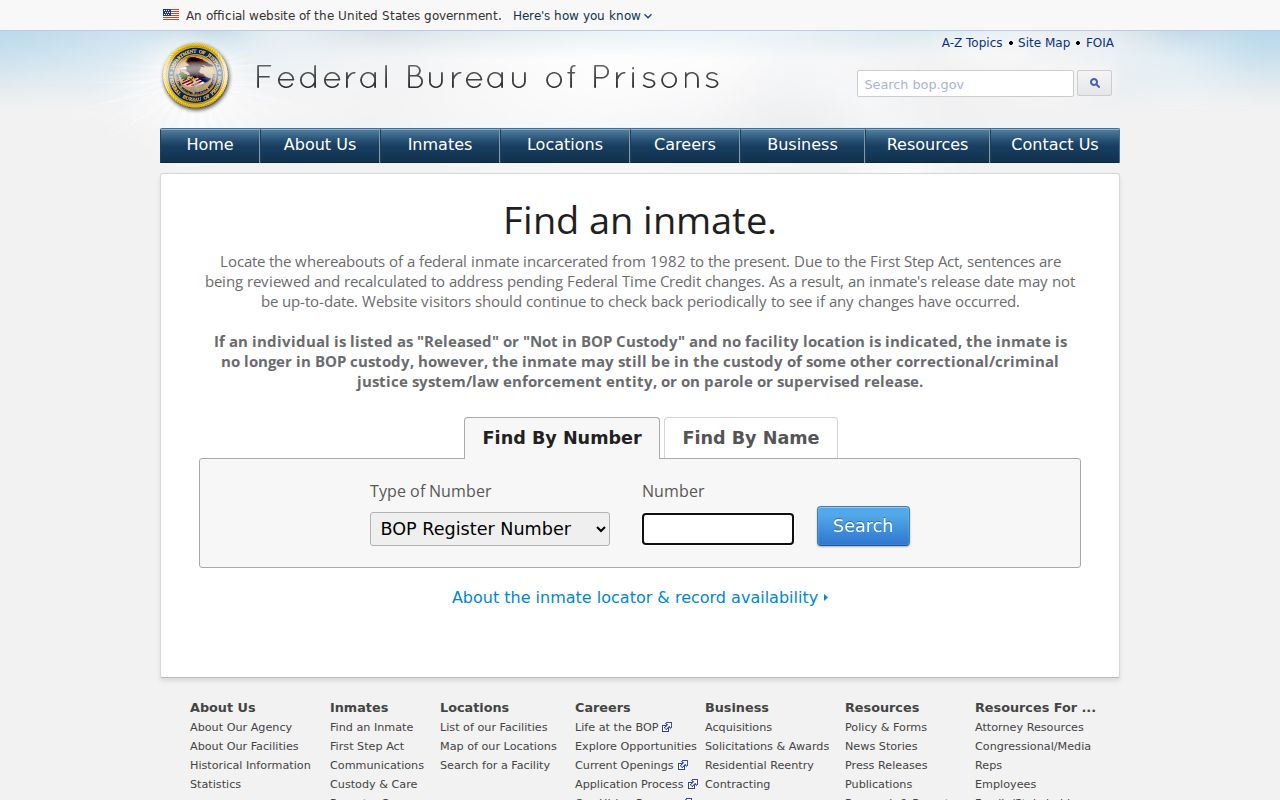
Its scope does not include a person held by the sheriff or TDCJ.
What a Blanco County Criminal Record Shows
The fields depend on the source. A court file may identify the defendant, case number, charge, statute, filing events, plea, disposition, sentence, costs, and later orders. Booking material may show arresting agency, intake date, booked charge, bond, custody status, and release. A TxDPS public return may show reportable conviction or deferred-adjudication events, while a fingerprint personal review can resolve identity with greater confidence.
| Name & identifiers | Reported name, aliases, date of birth, and agency identifiers where law permits release. |
|---|---|
| Arrest or booking | Arresting agency, booking date, booked charge, bond, release, and custody details held by the source agency. |
| Charges & statutes | The alleged offense and legal citation, which may change between arrest and filing. |
| Disposition | The court result, such as dismissal, acquittal, conviction, or deferred adjudication. |
| Sentence | Jail or prison term, fine, court costs, or community-supervision terms when entered. |
| Custody or supervision | County custody, TDCJ status, community supervision, or parole, each held by its own office. |
A charge is an allegation. The signed judgment or dismissal in the court file supplies the outcome.
Federal Records Beyond Blanco County
Federal cases are outside Blanco County clerk systems. Blanco County lies in the Western District of Texas, and PACER is the federal judiciary's account-based docket service. It can show federal pleadings and docket entries, subject to current access and fee rules. The FBI Identity History Summary is different: it is a fingerprint-based route for a person to review their own FBI-maintained identity history rather than a court docket search.
The PACER search interface is the official starting point for federal dockets.
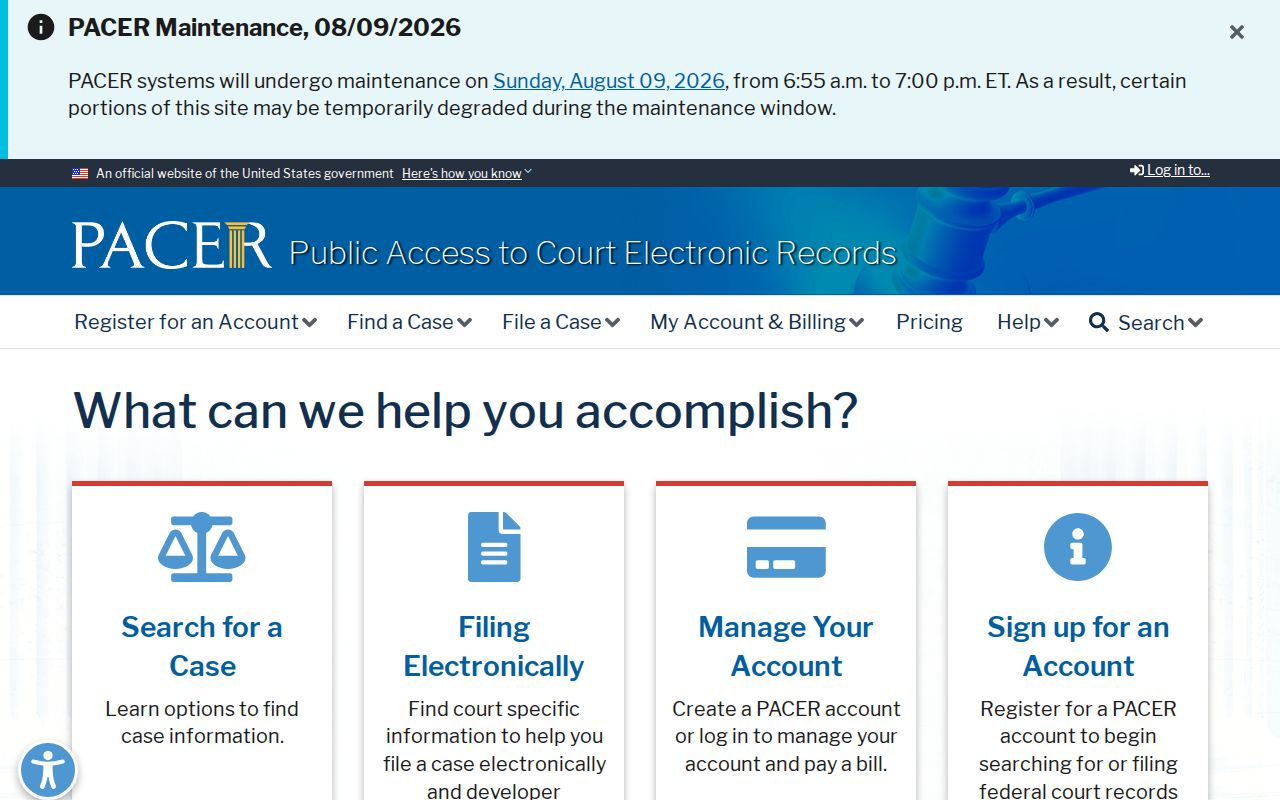
PACER should be used only when the matter is federal, not as a substitute for Blanco County court records.
The FBI electronic Identity History Summary portal shows the self-review request route.
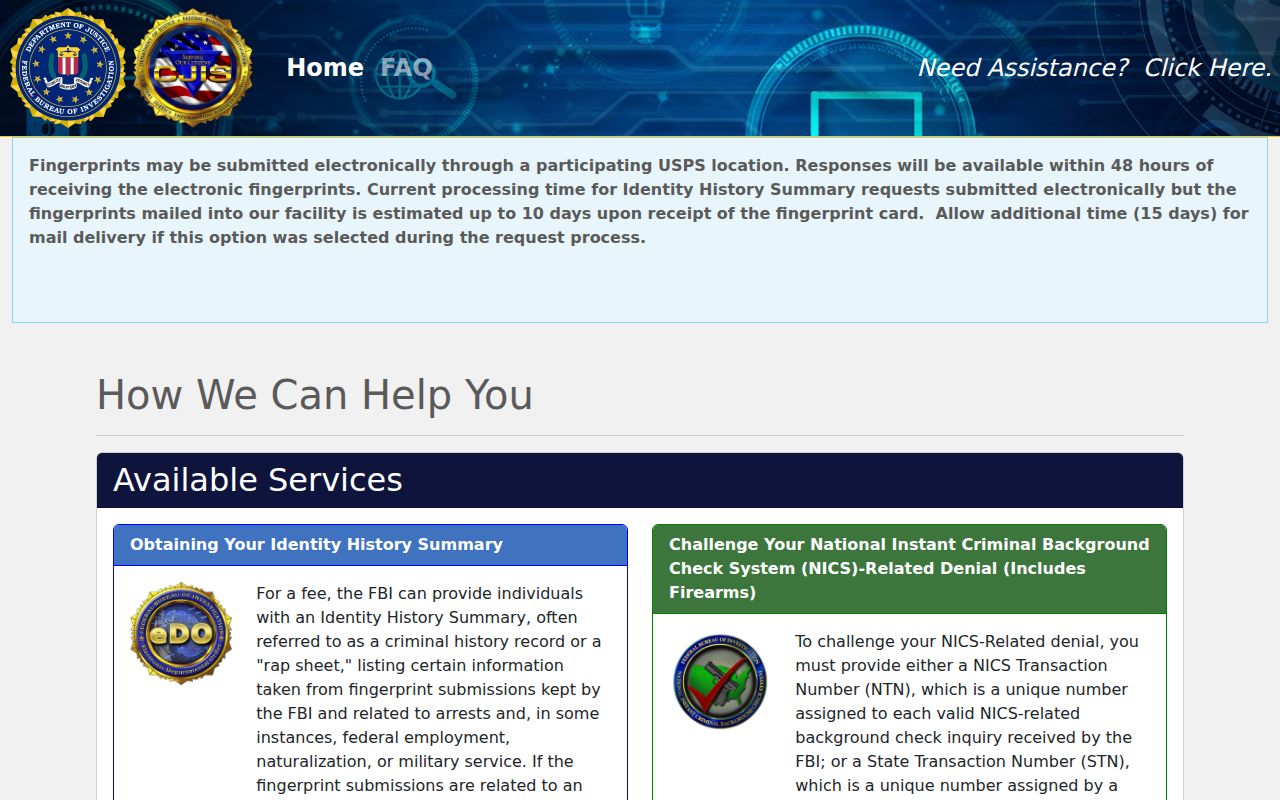
That fingerprint process answers an identity-history question, while PACER answers a federal case-file question.
Public Access Laws
The Texas Public Information Act governs requests for many executive-branch and local-agency records. It does not turn all sheriff material into an open file, and it does not replace the clerk's judicial-record process. Active-investigation content, confidential criminal-history information, juvenile records, protected victim details, jail-security material, and parts of body-camera footage may be withheld or redacted. Ask for the public portions and describe the record narrowly.
Key Texas laws:
Government Code Chapter 552 governs written public-information requests and agency exceptions.
Government Code Chapter 411 controls computerized criminal-history dissemination and nondisclosure.
Code of Criminal Procedure Chapter 55A sets the state's expunction framework.
Code of Criminal Procedure Chapter 62 governs sex-offender registration and the public database.
Judicial files are governed through the courts, and TxDPS public-release rules do not dictate what is visible in a public Blanco County judicial proceeding.
Blanco County Public Record Fallback
When a database fails, use the county homepage's Public Information Request route and name the actual custodian. A useful request identifies the Sheriff's Office, clerk, constable, or other department; describes one record; supplies a date range and known identifiers; requests electronic or paper delivery; and gives contact details. For a sheriff incident report, include the incident number, date, location, and the public portion sought. For CAD or dispatch material, narrow the time window and request audio separately.
Warrant status deserves a live check with the issuing court or sheriff because a written response may lag. An unexecuted or sealed warrant may not be publicly released. Police reports from the City of Blanco stay with its police channel even if a person was later booked at the county jail. Phone contact helps route a question, but the written request triggers formal TPIA treatment.
The Blanco County news page carries dated operational announcements that can change where a records request is handled.
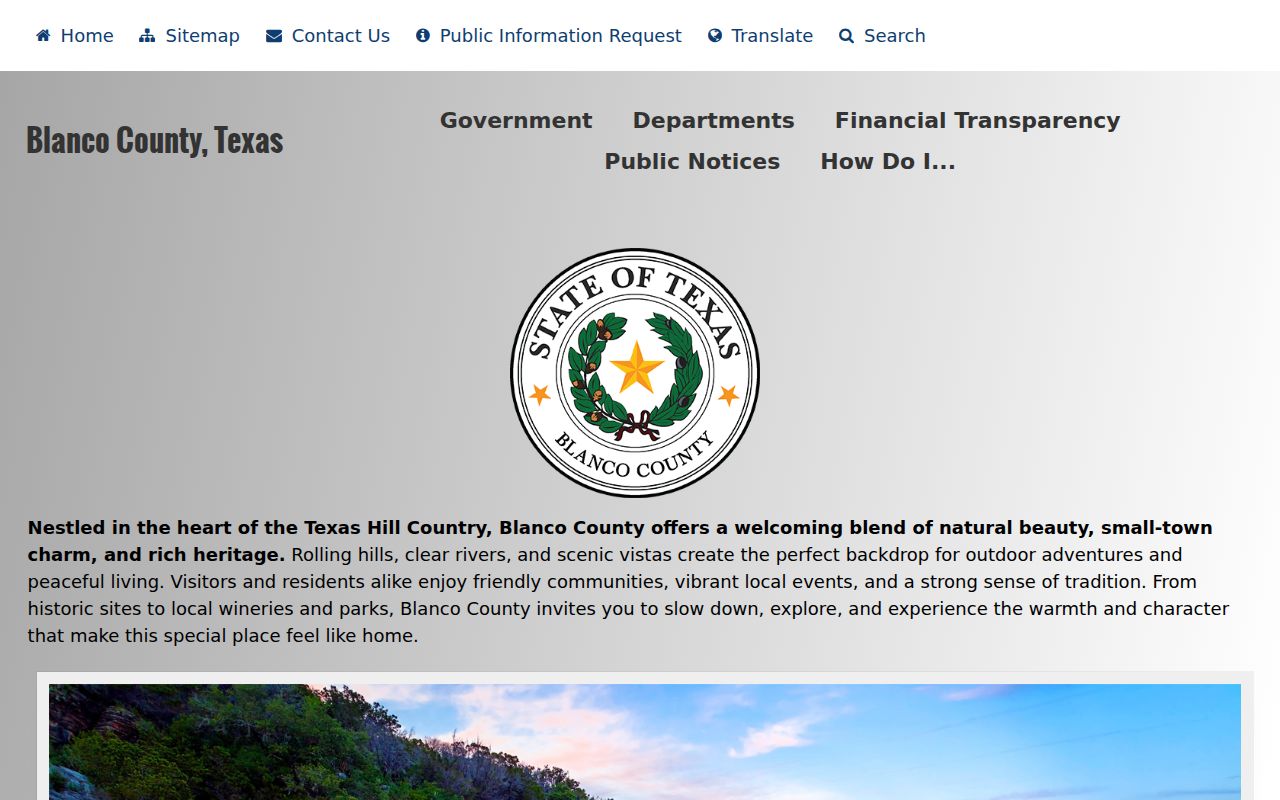
Checking current notices is especially useful while county offices are working from renovation-era locations.
Sealed, Expunged & Restricted
Texas uses two distinct remedies. An expunction under Code of Criminal Procedure Chapter 55A can require eligible records to be destroyed or returned. An order of nondisclosure under Government Code Chapter 411, Subchapter E-1 generally limits public disclosure but does not erase the record from all authorized government access. Eligibility depends on the case facts and final result, so an online form is not a ruling that a particular case qualifies.
In Blanco County, filing generally follows the court tied to the case, and a person should obtain the final disposition before assessing the proper remedy. Juvenile records, confidential criminal-history information, and other protected material may also be absent from a public name search without having been expunged. If a TxDPS history contains an error, compare it with certified clerk documents and follow the agency's correction process rather than assuming the portal will update itself.
Begin with the clerk that holds the case. Ask for the case number, charge, final order, and any later order affecting disclosure. Those papers help distinguish a data error from a lawful access limit. If the local judgment is right but the statewide history is wrong, use the TxDPS challenge route and provide the supporting certified record. Each record holder controls its own copy, so a correction at one office may still need to reach another reporting system.
- Expunction
- A court-ordered Texas remedy that removes qualifying records under Chapter 55A.
- Nondisclosure
- An order restricting public release of qualifying criminal-history information while preserving specified government access.
- Deferred adjudication
- A case outcome in which a court defers a finding while the person completes ordered conditions.
- Disposition
- The recorded result of a charge, such as dismissal, conviction, acquittal, or deferred adjudication.
Blanco County Supervision Records
Texas calls probation community supervision. Blanco County is served through the 33rd/424th Judicial District Community Supervision and Corrections Department in a regional structure that also involves Burnet, Llano, and San Saba counties. A regional office name is therefore not proof that the record belongs to another county. The sentencing court file remains the best source for the original terms and later filed orders.
Parole is different. The Texas Board of Pardons and Paroles makes release and revocation decisions, while the TDCJ Parole Division carries out supervision. Blanco County falls within the Austin I District Parole Office, Region IV. Verify a public custody status with the TDCJ locator, then contact the proper authority for information that is lawfully available.
The TDCJ Parole Division page maps the state supervision program and office structure.
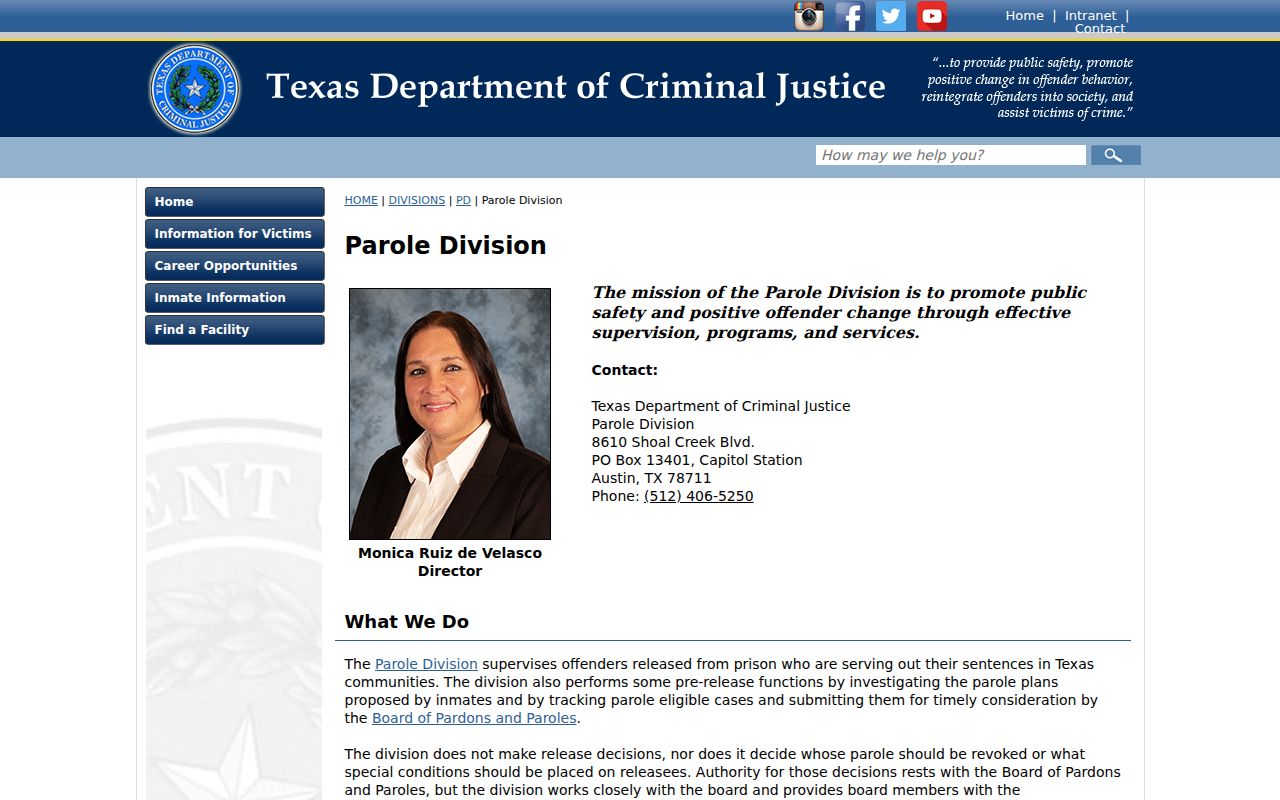
The program view clarifies why probation, parole, and the sentencing court should not be treated as one records office.
Reading Blanco County Crime Records
Official statistics add context, but they do not identify a person's criminal history. The FBI Crime Data Explorer and TxDPS Crime in Texas reports organize agency submissions by year, offense, and reporting body. City of Blanco Police Department data, Johnson City Police Department data, and Blanco County Sheriff's Office data have different scopes. Combining or relabeling them can create a false local picture.
The FBI Crime Data Explorer provides the official agency-and-year query interface.
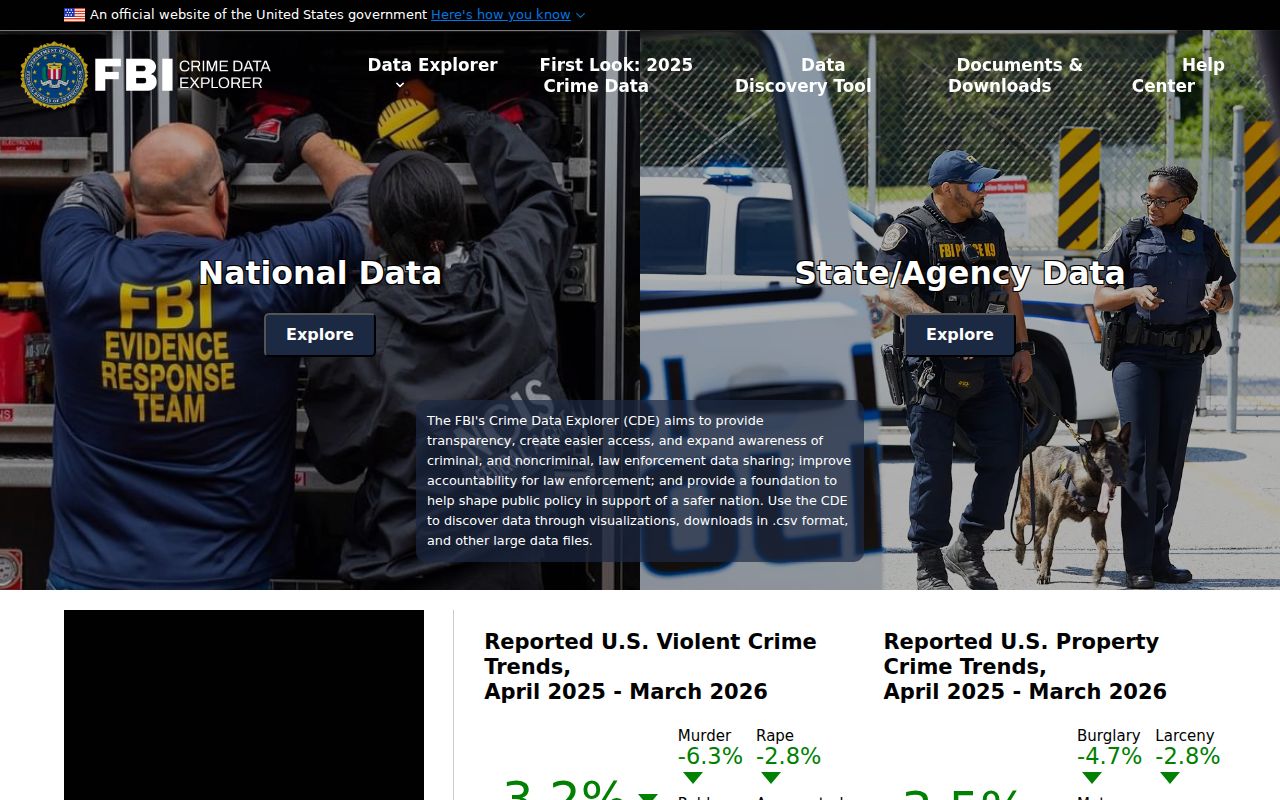
The interface is best used with the reporting agency and period stated beside any figure.
The TxDPS Crime in Texas report index supplies the state's official annual reporting layer.
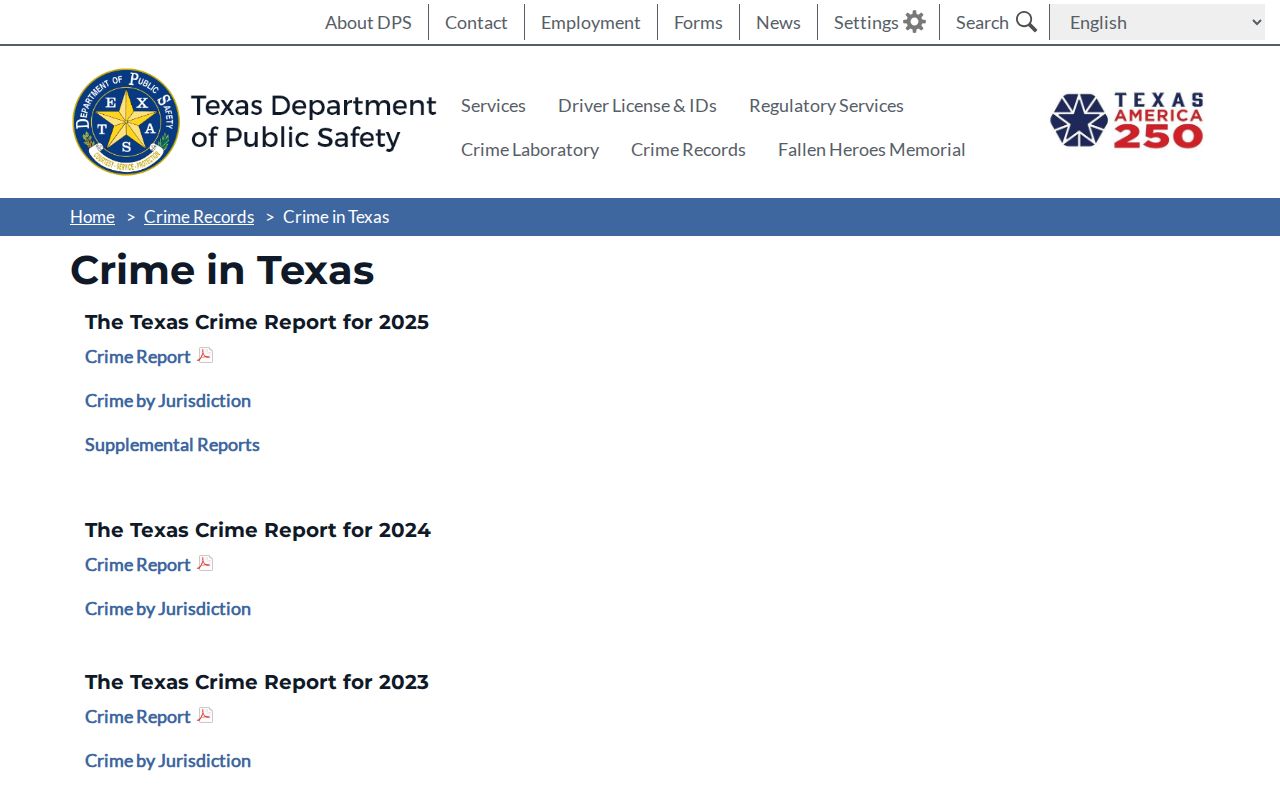
These reports describe reported crime trends, not the disposition of one Blanco County case.
Criminal Records by City in Blanco County
City agencies add another layer to Blanco County criminal records. Blanco Police creates city reports, while its municipal court handles ordinance and Class C matters. Johnson City routes incident and accident report requests through its Municipal Court Clerk and operates a municipal court of record. Round Mountain has no published city police department or municipal court portal, so readers must identify the sheriff, TxDPS, justice court, or other agency shown on the paperwork.
Blanco Criminal History
City police reports, date-based municipal dockets, and county booking routes.
Johnson City Criminal History
Police reports through the Municipal Court Clerk and city court records.
Round Mountain Criminal History
County, justice-court, and state routes where no city portal exists.
The Precinct 4 Constable page shows one official law-enforcement contact serving the Blanco area.
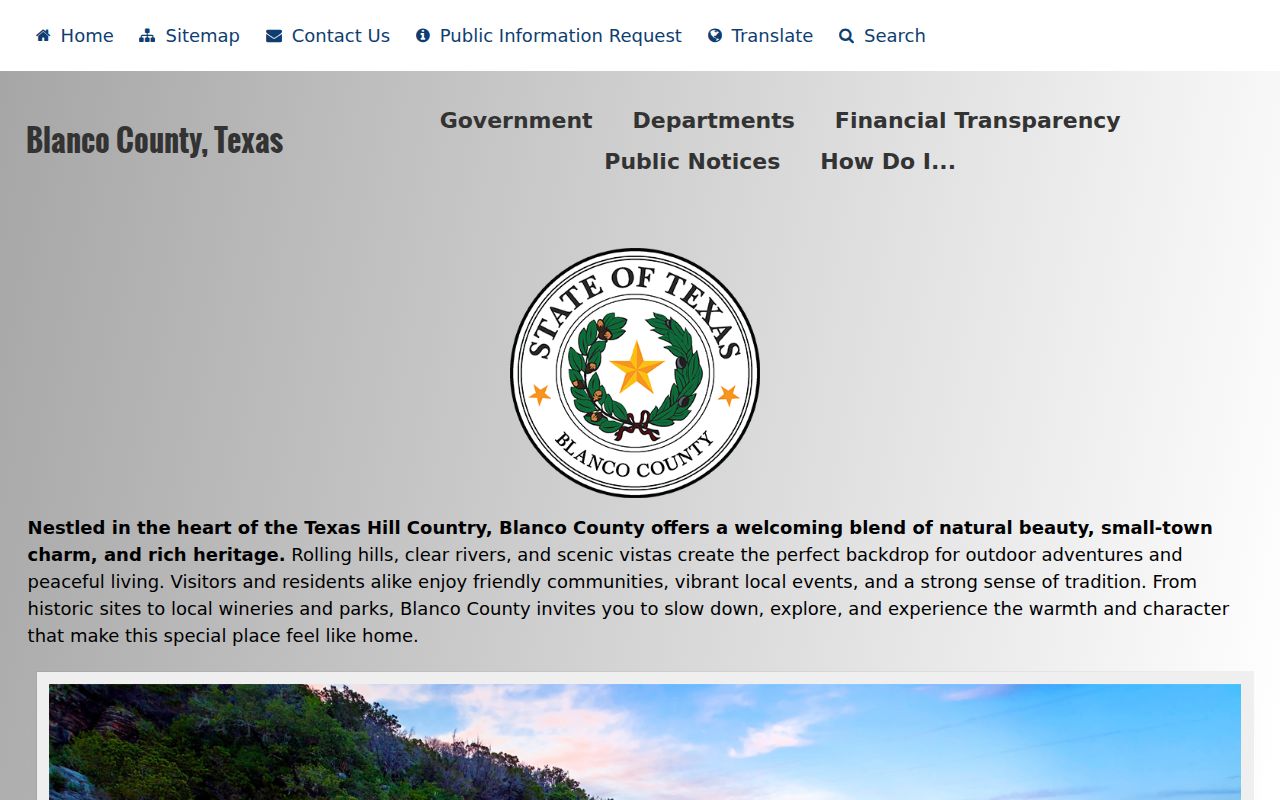
Its office information reinforces the need to identify the agency that created a record before sending a request.